Atlanta Sports Medicine & Orthopaedic Center
Visit Atlanta Sports Medicine
-
abdominal pain athletic pubalgia back pain baseball burner calf strain clinic director concussion doctor elbow pain exercise equipment Facilities football injury foot pain golf heat cramps heat illness heel pain hip instability knee pain manual therapy mild traumatic brain injury neck pain orthopedic Physical therapy posture runners runners knee shoulder pain spine sports hernia staff stiff shoulder stinger surgeon Surgery swimming tennis tennis leg toe pain traction turf toe weight lifting whiplash
-
Atlanta Sports Medicine Surgery Center
12 August 2009 12:17 AM | No Comments -
Physical Therapy
12 March 2010 12:22 AM | No Comments -
Doctors at Atlanta Sports Medicine
13 October 2009 1:03 AM | No Comments -
Doctor Westly Bailey, M.D.
10 November 2011 7:46 PM | No Comments -
Jessica Neff, PT, DPT
24 August 2011 9:31 PM | No Comments -
DeLeon J. Burch MPT, CSCS
11 July 2011 5:28 PM | No Comments -
Femoral Acetabular Impingement – FAI
18 February 2011 11:11 AM | No Comments -
Hip Arthroscopy
18 February 2011 10:48 AM | No Comments -
Arthroscopic Anterior Shoulder Stabilization
24 January 2011 5:09 PM | No Comments -
Biceps Tenodesis Protocol
24 January 2011 8:30 AM | No Comments -
Reverse Total Shoulder Arthroplasty Protocol
24 January 2011 8:09 AM | 1 Comment
Kevin Westry
Reverse Total Shoulder Arthroplasty ProtocolChed Garten M.D.
Doctor Phillip R. Langer, M.D.massoud
Doctor Phillip R. Langer, M.D.
-
Rehab Protocols Archive
-
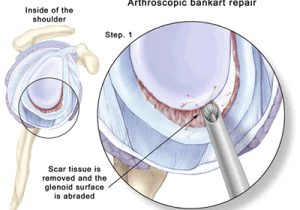
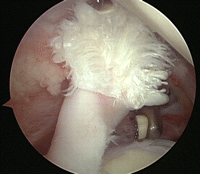
Arthroscopic Anterior Shoulder Stabilization
Arthroscopic Anterior Shoulder Stabilization (Capsular plication and/or Bankart repair): The purpose of this protocol is to provide the physicians, therapists, and other care providers with a guideline of the post-operative rehabilitation course. Phase I – Immediate Post Surgical Phase (Week 1-3): Goals: • Protect the surgical repair • Diminish pain and inflammation • Enhance scapular function Precautions: • Remain in sling, [...] -
Biceps Tenodesis Protocol
Biceps Tenodesis Protocol The purpose of this protocol is to provide the clinician, therapist, and patient with a GUIDELINE of the postoperative rehabilitation course of a patient that has undergone a Biceps Tenodesis for biceps dysfunction. The procedure entails cutting the long head of the biceps and reattaching the tendon more distally along the humerus. [...] -
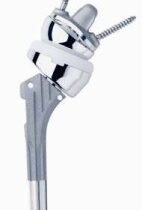
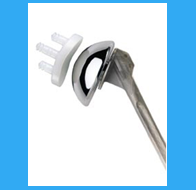
Reverse Total Shoulder Arthroplasty Protocol
Reverse Total Shoulder Arthroplasty Protocol: Indications: Reverse or Inverse Total Shoulder Arthroplasty (rTSA) is a prosthesis indicated for glenohumeral joint arthritis with irreparable rotator cuff tears, fractures, and failed shoulder arthroplasty. While this prosthesis has been used in Europe since the 1980s, the implant was approved by the FDA in 2004 and has been used for [...] -
Total Shoulder Arthroplasty/Hemiarthroplasty Protocol
The purpose of our protocol is to provide the physician and therapist with a GUIDELINE of the postoperative therapy course after TSA or HHR. If the clinician or therapist has any questions, please consult with the referring surgeon. If additional procedures have been performed, please consult the referring surgeon. This is especially true in patients [...] -
SLAP Repair Protocol
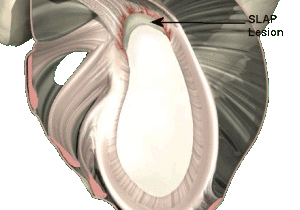
Arthroscopic Labral Repair Protocols (Type II, IV, and Complex Tears): The purpose of this protocol is to provide the physician/therapist/patient with a GUIDELINE of the post-operative rehabilitation course for a patient with arthroscopic SLAP repairs. Briefly, SLAP lesions have been classified as the following: Type I SLAP lesions consist of degenerative fraying of the superior labrum but the [...] -
Latarjet Protocol
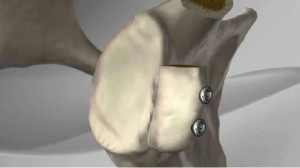
Anterior Stabilization of the Shoulder: Latarjet Protocol Shoulder instability has multiple etiologies including congenital deformity, recurrent overuse activity, and/or traumatic dislocation. Surgical stabilization of the glenohumeral joint is indicated after conservative treatment fails and recurrent instability/subluxation continues. A number of different surgical procedures exist for anterior stabilization and the surgical treatment depends on concomitant pathology [...]